


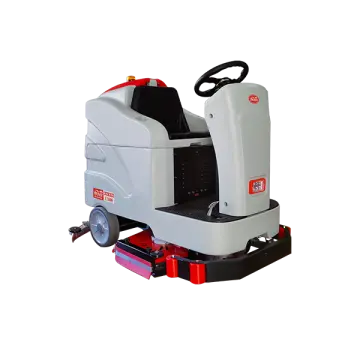

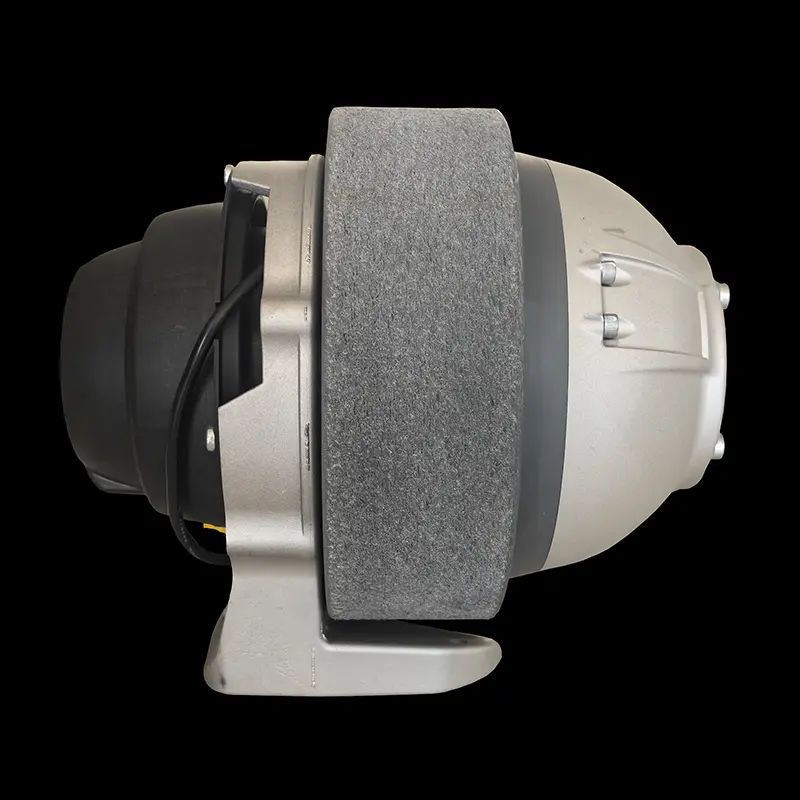
Younisi Front-Wheel Drive Motor for Ride-On Scrubbers
Product Description
In terms of structural design, the Younisi front-wheel drive motor fully addresses the compact installation requirements of scrubber chassis. The motor employs a flat, large-diameter rotor design, achieving higher torque density within limited space while effectively lowering the machine's center of gravity to enhance driving stability. The motor housing is constructed from high-precision aluminum alloy die-castings, offering excellent heat dissipation and structural strength, efficiently transferring operational heat to the exterior to prevent temperature rise from affecting motor life. The output end features a heavy-duty splined or parallel keyed shaft, rigidly connected to the drive axle or wheel hub reduction mechanism, capable of withstanding impact loads during sudden starts and on rough surfaces, ensuring reliable power transmission.
In terms of electrical performance, the Younisi front-wheel drive motor utilizes high-quality electromagnetic materials and silver-graphite composite brushes, offering low resistance, high wear resistance, and excellent arc suppression characteristics. These features effectively extend brush replacement intervals and reduce maintenance frequency. The motor is also equipped with standard overload and thermal protection devices. In cases of overloading or extended hill-holding that cause excessive temperature rise, the protection devices automatically intervene, cutting off or limiting power output to prevent permanent motor damage. Additionally, the motor tail can be optionally fitted with encoder or speed sensor interfaces, enabling integration with the machine's control system for features such as cruise control, soft start, and soft braking, enhancing driving comfort and safety.
For installation and maintenance, the Younisi front-wheel drive motor features mounting spigots and bolt patterns that align with mainstream scrubber drive axle interface standards, facilitating rapid assembly for OEMs. Carbon brush inspection and replacement can be completed through independent service windows on the motor side, without requiring motor removal from the chassis, significantly simplifying after-sales maintenance procedures and reducing downtime.