What is a Warehouse Floor Scrubber and How Does it Work?
A Warehouse Floor Scrubber is essential for maintaining cleanliness in large storage spaces. It helps businesses uphold safety standards and enhance productivity. With many heavy materials and equipment, warehouses can quickly become dirty, leading to hazards. Using a floor scrubber reduces the risk of slips and falls.
The technology behind these machines is impressive. They combine scrubbing, washing, and drying in one process. Warehouse operators can maximize efficiency with this equipment. Regular use of a Warehouse Floor Scrubber ensures a clean environment, fostering better working conditions. However, it is essential to choose the right model for specific needs. Not all scrubbers work the same way.
While Warehouse Floor Scrubbers can simplify cleaning tasks, they require proper training. Users must understand how to operate and maintain them effectively. This complexity can sometimes lead to mistakes, which underscores the need for training. By fostering knowledge, businesses can ensure the longevity of their equipment. Ultimately, investing in a Warehouse Floor Scrubber is a step toward operational excellence.
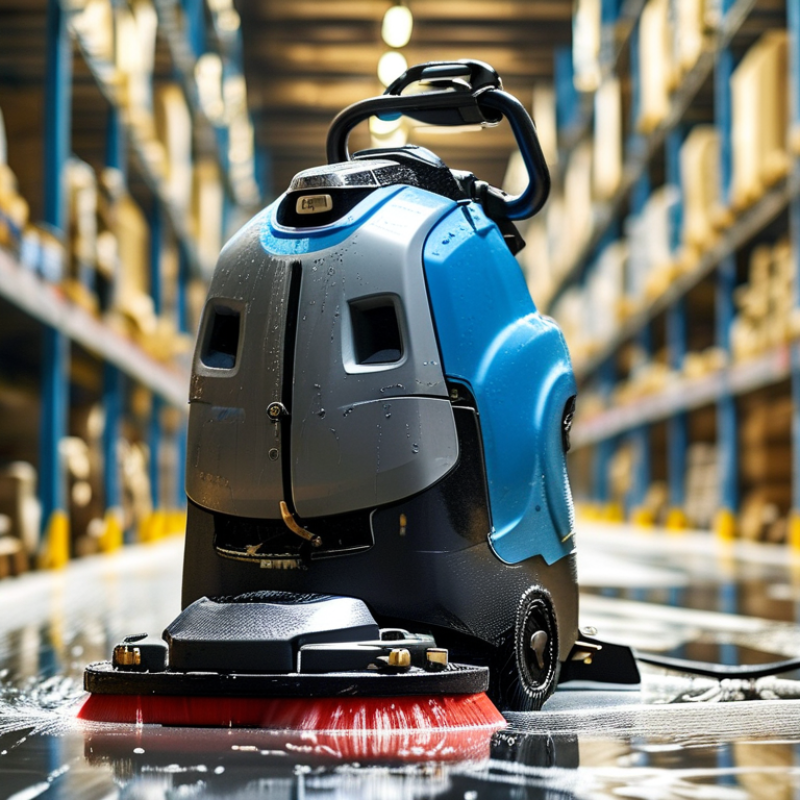
What Is a Warehouse Floor Scrubber? Definition and Purpose
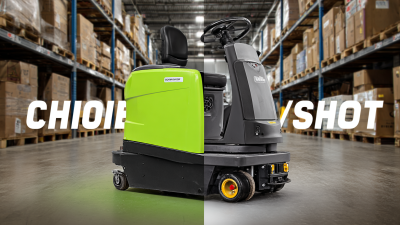
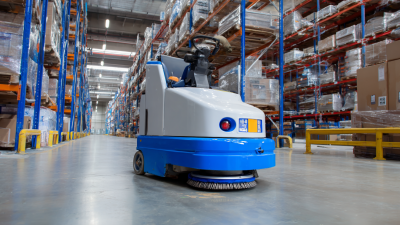
A warehouse floor scrubber is a specialized cleaning machine designed to maintain large industrial spaces. Its primary purpose is to efficiently clean and sanitize floors, ensuring a safe and tidy working environment. These machines are essential in warehouses, factories, and distribution centers where dirt, grease, and other contaminants can accumulate quickly.
Typically, a warehouse floor scrubber operates by combining scrubbing, rinsing, and drying processes. Most models feature rotating brushes that scrub the floor while dispensing cleaning solutions. Unlike traditional mops, these machines can cover large areas quickly. This efficiency reduces the time workers spend on cleaning tasks, allowing them to focus on more critical operations.
Despite their effectiveness, some users may find them challenging to operate at first. Proper training is necessary to maximize their benefits. It’s also important to regularly maintain the scrubber to avoid mechanical failures. Neglecting maintenance can lead to subpar cleaning results, which defeats the purpose of investing in such equipment. Thus, while floor scrubbers provide significant advantages, users must remain conscientious in their handling and upkeep.
Warehouse Floor Scrubber Usage and Efficiency
This bar chart illustrates the efficiency (%) of various types of warehouse floor scrubbers and manual cleaning methods. The Electric Scrubber shows the highest efficiency at 85%, followed by the Hybrid Scrubber at 90%, while Manual Cleaning demonstrates a notable drop at 50%. Propane Scrubbers rank lowest at 70% efficiency.
Key Components of Warehouse Floor Scrubbers: An Overview
Warehouse floor scrubbers are essential for maintaining cleanliness and safety in industrial spaces. These machines effectively remove dirt, grime, and spills, ensuring a safe working environment. Understanding their key components sheds light on how they function efficiently.
Most floor scrubbers feature a robust scrub deck. This deck typically has rotating brushes that agitate the floor surface. The brushes loosen dirt and debris, preparing it for removal. Additionally, a water tank draws in cleaning solution. This mixture helps to break down stains and enhances the scrubbing process. After scrubbing, the vacuum system plays a crucial role. It restores the water, along with extracted dirt, back into the recovery tank.
Another important component is the squeegee. Positioned at the back, it ensures that floors dry quickly. A well-functioning squeegee minimizes slip hazards, creating a safer workspace. Taking care of these components is vital for operational success. Neglect can lead to inefficient cleaning and increased downtime. Regular checks and maintenance should be a priority. Proper upkeep can extend the life of scrubbers significantly.
How Warehouse Floor Scrubbers Work: The Cleaning Process Explained
Warehouse floor scrubbers are essential for maintaining cleanliness in large spaces. They work by using a combination of water, cleaning solutions, and mechanical scrubbing action to remove dirt and grime from surfaces. The process begins with the machine applying water and detergent onto the floor. This loosens debris, making it easier to clean.
After applying the solution, the scrubber uses rotating brushes to agitate the floor surface. According to recent industry reports, effective scrubbing can reduce dirt by up to 90%. This is particularly valuable in warehouses where cleanliness impacts safety and efficiency. The final step involves suctioning up the dirty water, leaving the floor dry and safe for foot traffic.
However, the effectiveness of these machines can vary. Operators must be trained not just in the operation of the equipment, but also in understanding the floors they are cleaning. Different materials require different approaches. Inadequate training can lead to wear on the floor or incomplete cleaning. Reflecting on these challenges is crucial for maximizing the benefits of warehouse floor scrubbers.
Industry Standards: Efficiency Metrics for Floor Scrubber Performance
The performance of warehouse floor scrubbers is often measured by efficiency metrics defined by industry standards. These metrics include cleaning speed, water usage, and energy consumption. A reliable scrubber should allow operators to cover more area while using minimal resources. However, achieving these standards can be more challenging than expected.
Cleaning speed is crucial. A scrubber that can clean efficiently without compromising quality is ideal. Operators need to monitor and adjust settings for different surfaces. Water usage is another key aspect. Effective machines use water judiciously, maximizing cleanliness while minimizing waste. Striking the right balance is sometimes difficult, leading to inconsistent results.
Energy consumption also plays a vital role in performance metrics. Machines that operate with lower energy usage tend to be more efficient. However, high-efficiency machines may sometimes lack the power needed for thorough cleaning. This dilemma can frustrate operators striving for eco-friendliness while ensuring clean floors. Addressing these issues can often lead to better decision-making in selecting equipment and methods.
What is a Warehouse Floor Scrubber and How Does it Work? - Industry Standards: Efficiency Metrics for Floor Scrubber Performance
| Model |
Cleaning Width (inches) |
Scrub Rate (sq ft/hr) |
Recovery Tank Capacity (gallons) |
Run Time (hours) |
Power Source |
| Compact Scrubber A |
20 |
4000 |
15 |
2.5 |
Battery |
| Mid-Size Scrubber B |
26 |
6000 |
20 |
3.5 |
Electric |
| Industrial Scrubber C |
30 |
8000 |
30 |
4.5 |
Diesel |
| Robotic Scrubber D |
24 |
5000 |
18 |
3.0 |
Battery |
Choosing the Right Warehouse Floor Scrubber: Factors and Data to Consider
When selecting the right warehouse floor scrubber, several factors come into play. First, consider the size of the area that needs cleaning. A larger warehouse may require a more robust machine. Small spaces can benefit from compact scrubbers. Durability is also crucial. A scrubber should withstand frequent use and harsh conditions.
Another important aspect involves the type of flooring. Different materials may require specific cleaning solutions. For instance, tile floors might need a different scrubber compared to concrete. Battery life is another consideration. A machine with longer battery life reduces downtime and improves efficiency.
User experience is essential to consider too. Look for models that are easy to operate. Complexity can lead to mistakes and safety issues. Additionally, maintenance can be a challenge. Some machines require regular servicing, impacting productivity. Reflecting on these factors will help make a better choice.