Top 10 Floor Cleaning Equipment for Your Business Needs?
In today's business environment, maintaining clean floors is essential. Research indicates that cleanliness directly impacts customer perceptions and employee productivity. Floor Cleaning Equipment plays a crucial role in achieving these goals. According to the International Janitorial Supply Association, dirty floors can deter 75% of potential customers.
Modern businesses rely on effective and efficient floor cleaning solutions. The right equipment can save time and reduce labor costs. However, many businesses still struggle to choose the best options for their needs. It's not uncommon to overlook the importance of selecting high-quality floor cleaning tools. High-quality equipment can make a significant difference, yet some companies opt for cheaper alternatives that may not deliver lasting results.
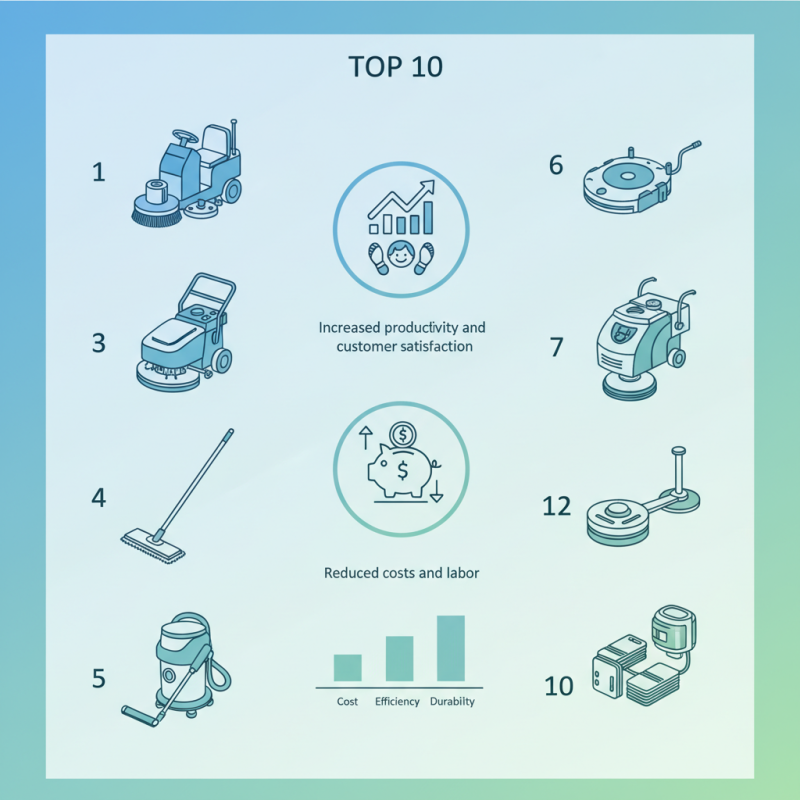
Investing in reliable floor cleaning equipment should be a priority. With a wide variety of tools available, businesses need to evaluate their specific requirements. This selection process can be overwhelming. It's essential to weigh factors such as cost, efficiency, and durability. Regardless of the choices made, the impact of clean floors cannot be underestimated, as it affects overall business success.
Essential Considerations for Choosing Floor Cleaning Equipment
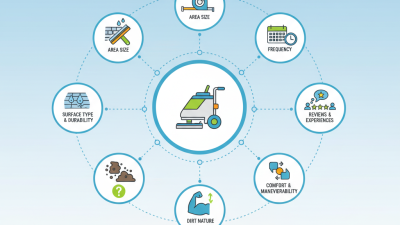
Choosing the right floor cleaning equipment for your business involves careful consideration. Evaluate the size and type of flooring in your facility. Larger spaces may require heavy-duty machines, while smaller areas might benefit from compact models. Think about the type of dirt and grime you face daily. High-traffic areas often need more robust solutions.
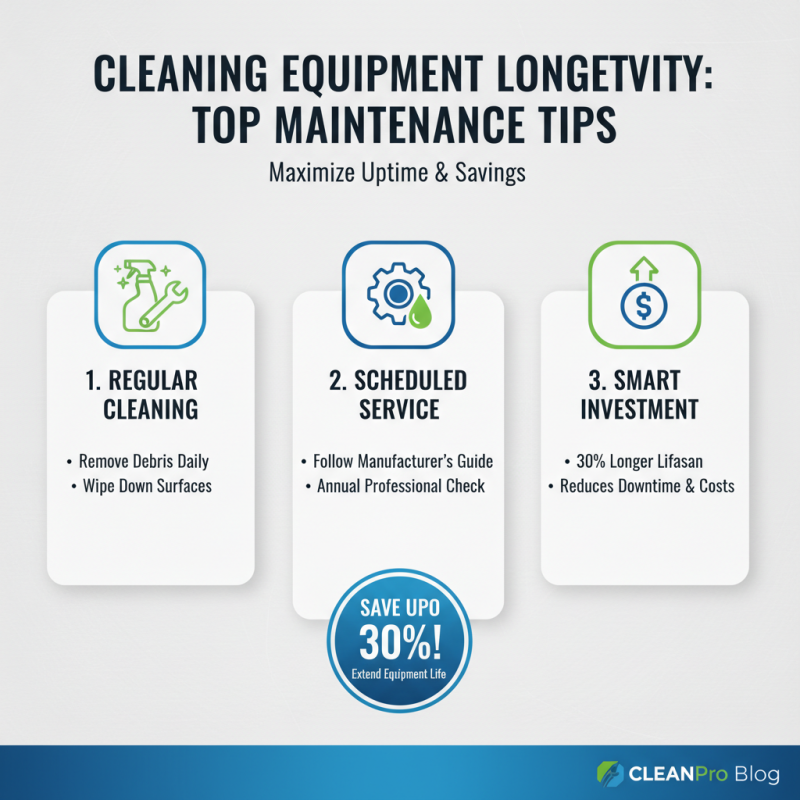
Consider the ease of use. Equipment should not be overly complex. Employees should feel comfortable operating it. Think about maintenance as well. Regular upkeep is crucial for long-lasting performance. Look for machines that are easy to clean and service.
Cost is also a factor. Balance between quality and budget constraints. While it's tempting to choose cheaper options, they may lead to more expenses in the long run.
Noise level can impact your working environment. If cleaning occurs during business hours, quieter options might be preferable. Additionally, think about the chemicals used in your cleaning processes. Eco-friendly solutions are becoming more popular. They can help in maintaining a safe workspace. Not all businesses consider this aspect, but it’s important for employee well-being.
Types of Floor Cleaning Equipment for Various Business Types
Choosing the right floor cleaning equipment depends on your business type. Different environments necessitate specific tools for effective cleaning. For example, retail spaces benefit from lightweight, maneuverable equipment. This allows staff to address spills quickly while ensuring a tidy appearance.
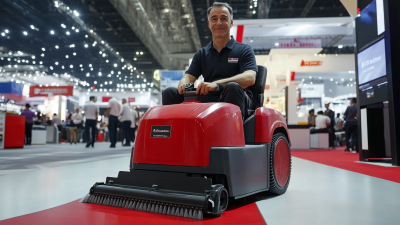
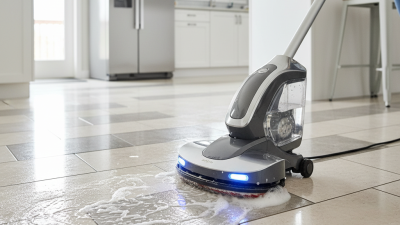
In contrast, industrial settings require more robust machines. Scrubber-dryers can efficiently handle large areas and tough grime. These machines often have powerful suction capabilities, ensuring floors dry quickly. Restaurants often need specialized equipment, such as steam cleaners, to maintain hygiene standards.
However, selecting equipment isn't always straightforward. Budget constraints can limit options, forcing businesses to prioritize needs. Regular maintenance of chosen tools is essential. Owners sometimes overlook this aspect, leading to reduced efficiency over time. Always aim for a balance between cost and functionality when choosing equipment. The right choice can enhance overall cleanliness and operational efficiency.
Top 10 Floor Cleaning Equipment for Your Business Needs
| Equipment Type |
Best For |
Power Source |
Price Range |
| Automatic Floor Scrubber |
Large Warehouses |
Electric |
$3,000 - $20,000 |
| Vacuum Cleaner |
Office Spaces |
Electric/Battery |
$100 - $1,000 |
| Industrial Floor Sweeper |
Factory Floors |
Gas/Diesel/Electric |
$5,000 - $40,000 |
| Mop and Bucket |
Small Restaurants |
Manual |
$20 - $100 |
| Carpet Extractor |
Hotels |
Electric |
$800 - $5,000 |
| Floor Buffer |
Shopping Malls |
Electric |
$1,000 - $3,500 |
| Steam Cleaner |
Medical Facilities |
Electric |
$300 - $2,500 |
| Ride-On Scrubber |
Large Retail Stores |
Electric/Diesel |
$10,000 - $40,000 |
| Buffer/Polisher |
Showrooms |
Electric |
$500 - $3,000 |
| Wet/Dry Vacuum |
Construction Sites |
Electric/Gas |
$150 - $1,500 |
Top Features to Look for in Quality Floor Cleaning Machines
When selecting floor cleaning equipment for your business, certain features are essential. Look for machines with high efficiency ratings. According to recent industry reports, machines with a higher cleaning power can reduce operating costs by up to 30%. This efficiency can significantly impact your business’s bottom line.
Consider machines that offer versatility. Many facilities require different cleaning methods depending on the type of flooring. A single machine capable of handling multiple surfaces saves time and labor. Additionally, weight matters. Lighter machines can be easier to maneuver, increasing productivity during cleaning tasks.
Tip: Always check user reviews for performance metrics. Real-world feedback can reveal insights about durability and maintenance needs. Another critical aspect is noise levels. High-quality models often operate quietly, promoting a peaceful work environment while maintaining cleanliness.
Lastly, think about safety features. Look for non-slip designs and automatic shutoff functions. Ensuring the safety of your staff and customers is paramount. A machine that limits accidents can save you from potential legal issues. A thoughtful selection of cleaning equipment can boost efficiency and employee morale significantly.
Cost-Benefit Analysis of Investing in Floor Cleaning Equipment
Investing in floor cleaning equipment offers numerous benefits for businesses. A recent industry report indicates that companies can improve operational efficiency by up to 30% when utilizing modern cleaning technology. This strengthens the case for investment. However, decision-makers must weigh both costs and benefits carefully.
The initial outlay for equipment can be significant. Depending on the technology and capabilities, businesses might spend thousands. Yet, the return on investment can be substantial. Improved cleaning leads to better employee satisfaction and reduced absenteeism. One study found that 60% of employees are more productive in clean environments. But, is the investment justified?
Many businesses face challenges in fully leveraging their cleaning equipment. Staff training is critical. Without proper training, even the best tools can underperform. Moreover, maintenance costs can add up over time. This could offset savings. Additionally, the need for regular evaluation of cleaning methods is vital. Companies often overlook these details, leading to inefficiency. With the right approach, businesses can maximize both cleanliness and profitability.