How to Choose the Right Floor Scrubber Dryer?
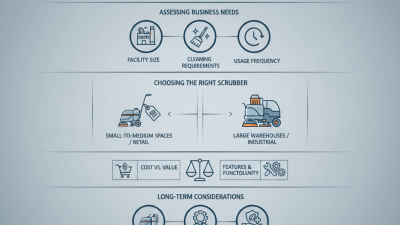
Choosing the right Floor Scrubber Dryer is less about buying the largest machine. It is about matching equipment to the building, floor type, and daily workload. Kärcher’s former chief executive Hartmut Jenner once said, “Cleaning is a basic need of mankind.” That basic need becomes demanding in supermarkets, warehouses, hospitals, and busy public buildings.
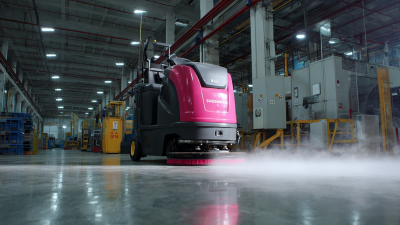
Look closely at the working environment. A compact walk-behind model may turn neatly between shelves, while a ride-on machine can cover a warehouse faster. Measure doorways, lift entrances, storage areas, and turning spaces before comparing features. A machine with a 60-centimetre cleaning path may sound efficient, but it could struggle in a narrow café. Recovery-tank capacity matters too. Small tanks require frequent emptying and refilling, which interrupts the shift.
Consider floor finish and soil levels. Smooth sealed concrete may need different brush pressure from textured tiles. Excessive pressure can leave marks or accelerate wear. Battery runtime, charging time, noise level, and water control also affect real performance. Quiet operation matters near patients, shoppers, and office workers.
Do not trust specifications alone. Ask for a practical demonstration on your actual floor. Watch how quickly dirty water is recovered. Check whether the operator can remove the brush without tools. Small details matter.
No choice is perfect.
Some buyers focus too heavily on purchase price. That can be a mistake. Labour, maintenance, detergent use, downtime, and battery replacement shape the true cost. The best Floor Scrubber Dryer is the one your team can operate safely, maintain consistently, and use effectively every day. Even experienced buyers should review their assumptions before signing an order.
Define the Cleaning Area, Floor Type, and Dirt Conditions
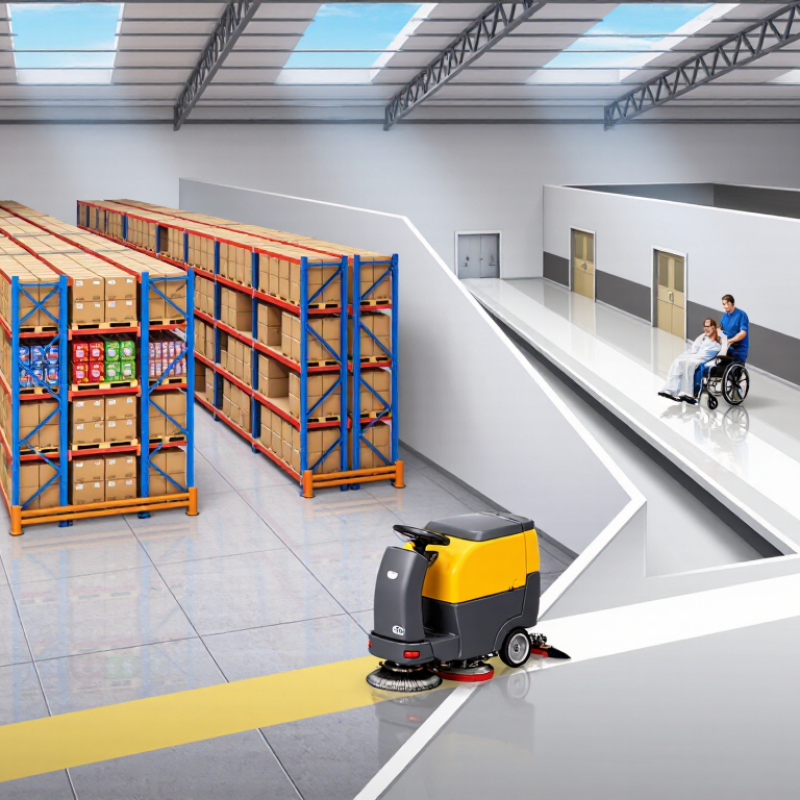
Choosing the right floor scrubber dryer starts with the cleaning area, not the machine’s headline capacity. Measure total floor space, aisle width, door clearances, and obstacles. A large warehouse may need a ride-on unit, while a 500-square-metre clinic may require a compact walk-behind model. The 2024 IFMA Facility Management Benchmarking Report highlights labor efficiency as a major operating concern, so travel time and maneuverability deserve careful measurement.
Floor type changes the decision. Smooth sealed concrete, textured safety flooring, ceramic tile, and vinyl need different brush pressure and pad selection. Porous surfaces can hold moisture and soil longer. Check the manufacturer’s recommended pressure range, but test it on a hidden section. Too much pressure can dull finishes or damage grout. That mistake is easy to miss.
Dirt conditions matter just as much. Fine dust needs effective water recovery, while grease, tracked soil, and dried spills may need slower passes and suitable detergent. The U.S. EPA’s Safer Choice guidance stresses using the least hazardous effective chemistry and following dilution instructions. Use less water where possible.
Tips: Map the area first. Mark heavy-soil zones. Test a small patch. Compare drying time after each setting. Record brush wear and solution use. A 2023 ISSA cleaning-industry survey also links consistent procedures with more reliable cleaning outcomes. Still, real floors behave differently from test sheets. Recheck the settings after one busy week.
Compare Scrubber Dryer Types and Cleaning Technologies
How to Choose the Right Floor Scrubber Dryer?
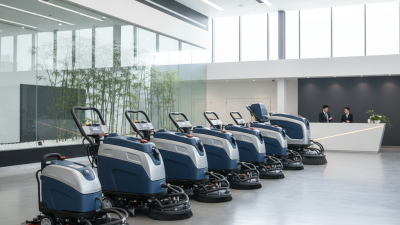
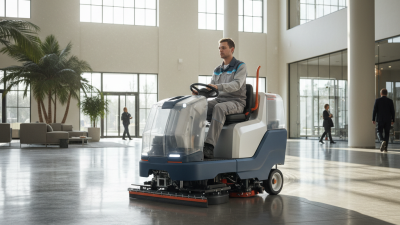
A floor scrubber dryer should match the site, not simply its sales specification. Walk-behind machines suit narrow aisles, clinics, and small retail areas. Ride-on models reduce operator fatigue across warehouses and transport halls. Autonomous scrubbers can support repetitive routes, but they still need human supervision around visitors, cables, and unexpected spills. According to Fortune Business Insights’ 2024 market report, the global floor scrubber market was valued at about USD 5.68 billion in 2023 and is projected to grow steadily through 2032. Growth does not mean every technology fits every floor.
Cleaning technology changes the result. Disc brushes provide broad contact and are practical for smooth sealed floors. Cylindrical brushes can collect small debris while scrubbing, which helps in entrances and production areas. Orbital systems use fast, short movements and may reduce water and chemical consumption on some surfaces. Recovery performance matters too. A machine that leaves a wet trail creates slip risks and extra labor. Field tests should measure drying time, noise, water use, and square meters cleaned per hour, rather than relying on brochure figures.
Battery choice also deserves attention. Lithium-ion systems usually support opportunity charging and steady output, while traditional batteries may require longer charging routines. However, actual runtime changes with brush pressure, floor texture, and operator habits. I have seen productivity estimates fail when heavily soiled floors required two passes. That is the part worth questioning. Test the machine during a normal shift, with real traffic and real dirt.
How to Choose the Right Floor Scrubber Dryer?
Compare scrubber dryer types by typical nominal cleaning productivity and the cleaning technology they use.
Compact Walk-Behind
Best for narrow aisles, retail areas, offices, and small commercial spaces. Disc brushes provide consistent scrubbing on smooth floors.
Standard Walk-Behind
A practical balance of maneuverability and productivity. Cylindrical brushes can collect light debris while cleaning.
Ride-On
Suitable for large warehouses, shopping centers, and industrial floors where high productivity reduces cleaning time.
Autonomous
Uses sensors, route planning, and automated dispensing. It is useful for scheduled maintenance cleaning in predictable environments.
Productivity figures are representative nominal values calculated from common machine specifications. Actual output is lower when turning, refilling, changing areas, or operating on heavily soiled floors.
Calculate Purchase, Maintenance, and Operating Costs
How to Choose the Right Floor Scrubber Dryer?
Calculate Purchase, Maintenance, and Operating Costs
Choosing the right floor scrubber dryer requires more than comparing purchase prices. A cheaper machine may consume more water, detergent, batteries, and labor over time. Measure the cleaning area, floor type, daily usage, and available storage space before requesting quotations. A narrow aisle may need a compact design, while a large warehouse may justify higher productivity.
Create a five-year cost estimate. Include the purchase price, delivery, staff training, batteries, brushes, squeegees, detergent, water, electricity, and service visits. Calculate labor by multiplying cleaning hours by the loaded hourly wage. For example, saving 30 minutes each day can produce meaningful annual savings. However, do not trust estimated coverage rates blindly. Real floors contain corners, obstacles, spills, and interruptions.
Maintenance records often reveal the true cost. Check replacement intervals for batteries, brushes, hoses, and suction blades. Ask for service procedures, spare-part availability, and expected repair times. In my experience, neglected recovery tanks create odors and reduce suction quickly. Daily rinsing takes only a few minutes, but workers may skip it during busy shifts. That assumption needs testing. Track actual water and detergent use for one month, then compare the results with the original calculation. A practical evaluation should also include noise, operator comfort, charging time, and training requirements. A machine that looks efficient on paper may perform poorly when staff find it tiring or complicated.
How to Choose the Right Floor Scrubber Dryer? - Calculate Purchase, Maintenance, and Operating Costs
| Machine Category |
Typical Cleaning Width |
Productivity
(m²/hour) |
Recommended Area per Use |
Estimated Cost Structure |
3-Year Total Cost of Ownership |
| Purchase Price |
Annual Maintenance |
Operating Cost
per 1,000 m² |
3-Year Operating Cost |
| Compact Walk-Behind |
35–45 cm |
600–900 |
Up to 3,000 m² |
US$4,500 |
US$650 |
US$24.80 |
US$74,400 |
US$80,850 |
| Medium Walk-Behind |
50–
70 cm |
1,200–1,800 |
3,000–8,000 m² |
US$9,500 |
US$1,050 |
US$17.20 |
US$51,600 |
US$64,250 |
| Compact Ride-On |
65–85 cm |
2,000–3,000 |
8,000–15,000 m² |
US$22,000 |
US$2,200 |
US$11.60 |
US$34,800 |
US$63,400 |
| Large Ride-On |
85–110 cm |
3,000–5,000 |
More than 15,000 m² |
US$38,000 |
US$3,600 |
US$9.20 |
US$27,600 |
US$76,400 |
Calculation basis:
Estimated costs are based on 1,000,000 m² of cleaning per year, three years of ownership, and a typical commercial electricity rate of US$0.15 per kWh. Operating cost includes electricity or battery charging, water, cleaning chemicals, brushes, squeegees, and routine consumables, plus operator labor calculated at US$20 per hour. Purchase prices and maintenance costs are representative market ranges for commercial equipment and exclude taxes, financing, delivery, floor repairs, and major damage.
Cost formula:
3-Year Total Cost of Ownership = Purchase Price + (Annual Maintenance × 3) + (Operating Cost per 1,000 m² × 1,000 × 3).
Select, Test, and Maintain the Right Floor Scrubber Dryer
Choosing the right floor scrubber dryer starts with the building, not the machine.
Measure aisle widths, doorways, floor type, and cleaning area. A compact unit suits crowded washrooms, while a wider machine saves time in open warehouses. Check recovery tank capacity and battery runtime against your daily schedule. Bigger is not always better.
Test the machine on a real section of floor.
Watch how it handles corners, ramps, grout lines, and wet patches. Check the operator’s view, handle controls, noise, turning radius, and drying performance. After one pass, the floor should feel clean and safe to walk on.
I once selected a machine by its advertised coverage alone. That was a mistake.
Actual obstacles reduced productivity.
Maintenance decides whether performance lasts.
Empty and rinse both tanks after each shift.
Remove hair, grit, and fibers from the brush and squeegee.
Inspect suction hoses for cracks and check blades for uneven wear.
Charge batteries according to the operating instructions, and keep the charging area dry and ventilated.
Record cleaning, repairs, and battery checks.
Small records reveal repeated problems.
However, operators may skip details during busy periods, so a short checklist works better than memory.
Test the machine again after maintenance.
Listen for unusual vibration.
Notice weak water pickup.
If the floor remains damp, stop and investigate before increasing speed.