How to Choose the Best Ride On Scrubber for Your Needs?
When selecting a Ride On Scrubber, various factors need consideration. Industry expert John Smith emphasizes, "Every facility has unique cleaning requirements." This statement highlights the importance of identifying your specific needs before making a decision.
The market offers numerous models, each designed with different features. Some are ideal for large, open spaces, while others suit smaller, more confined areas. Assess the square footage and specific challenges of your facility. Choosing the right size and capacity can enhance efficiency.
Budget plays a crucial role, but compromising on quality may lead to mistakes. Look for options that balance costs with reliability. Investing in a durable Ride On Scrubber can save money in the long run. However, don't overlook maintenance and support, as these factors significantly affect performance over time. Each choice should reflect thoughtful consideration and align with your operational goals.

Understanding Ride On Scrubbers and Their Uses
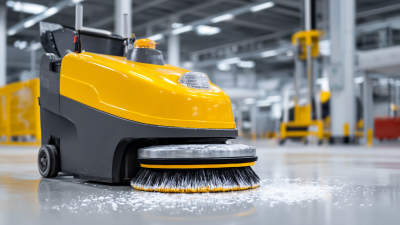
Ride-on scrubbers are essential for cleaning large surfaces efficiently. These machines are designed to remove dirt, grime, and stains from floors in various settings, including warehouses, retail spaces, and parking lots. Understanding their uses can help you choose the right type for your needs. They are particularly effective on hard surfaces and can save time compared to traditional cleaning methods.
When selecting a ride-on scrubber, consider the size of the area you need to clean. Larger areas may require machines with bigger tanks and more powerful motors. The type of floor surface is also crucial. Some models work better on concrete, while others are suited for tile or vinyl.
Tips: Always test a small section first. This can reveal how well the scrubber performs on your specific floor type. Think about the ease of use as well. A complicated control system can slow you down.
Another aspect to think about is maintenance. Make sure the scrubber is easy to clean and service. A durable machine may last longer, but some parts may wear out faster than expected.
Tips: Review user experiences to identify common issues. This can help you avoid machines with frequent complaints.
Identifying Your Cleaning Needs and Requirements
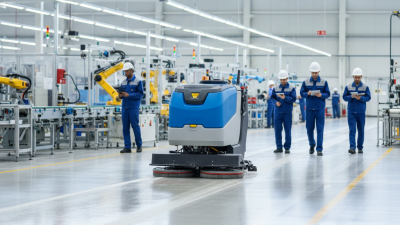
When choosing a ride-on scrubber, understanding your cleaning needs is vital. Different facilities have unique requirements. For example, a large warehouse demands a powerful scrubber, while a smaller retail space might need something compact. According to industry reports, over 60% of businesses find efficiency greatly improves when the right equipment is used.
Tip: Analyze your floor types and sizes. Some surfaces require heavier scrubbing. If you neglect this, you may end up with equipment that cannot perform the job adequately. The wrong scrubber can lead to wasted time and resources.
Another important factor is the frequency of cleaning. Daily maintenance versus occasional deep cleaning calls for different machines. A study showed that facilities using the right scrubbers reduced labor costs by 30%. Choosing wisely reduces wear and tear on staff and equipment.
Tip: Consult with cleaning professionals if in doubt. They can guide you on what types of ride-on scrubbers fit your specific needs. Don’t underestimate their expertise. Reflect on past cleaning outcomes; consider what didn't work before. Your choice matters.
Comparison of Ride-On Scrubbers Based on Cleaning Efficiency
Key Features to Consider When Selecting a Scrubber
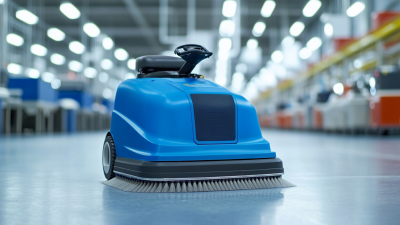
When selecting a ride-on scrubber, focus on key features that meet your needs. Consider the size of the scrubber. A larger machine covers more ground quickly, but it may be too bulky for tight spaces. Think about the types of surfaces you will clean. Some scrubbers work well on hard floors, while others might handle carpets better. The cleaning solution tank size is important too. A larger tank means longer cleaning sessions without stopping.
Tips: Always check the scrubber's maneuverability. If it struggles to turn in narrow aisles, it could make cleaning inefficient. The comfort of the operator also matters. An ergonomic design can reduce fatigue during long cleaning tasks.
Don’t forget to evaluate the scrubber’s maintenance requirements. Some models may need frequent repairs or part replacements. If you are not ready for upkeep, that could be a deal-breaker. Also, think about the noise level. In a busy environment, a quieter machine may be necessary. Consider these elements carefully to find the right fit for your cleaning needs.
Evaluating Budget Constraints and Long-Term Costs
When selecting a ride-on scrubber, budget is a critical factor. Start by assessing your financial capacity. Determine how much you can comfortably spend without overextending.
Consider the initial purchase price. However, this is just the beginning.
Long-term costs are equally important. Maintenance expenses can add up quickly. Factor in repairs, cleaning agents, and replacement parts. A machine that seems cheaper upfront may have higher ongoing costs.
It's wise to create a detailed estimate of these expenses over several years.
Evaluate the potential for operator training as well. Are you prepared for the time and money this may require? A well-trained operator can reduce accidents and equipment wear.
It's easy to overlook these aspects. Reflecting on them can help ensure that your choice meets both your immediate needs and future expectations.
Researching Brands and Product Reviews for Reliability
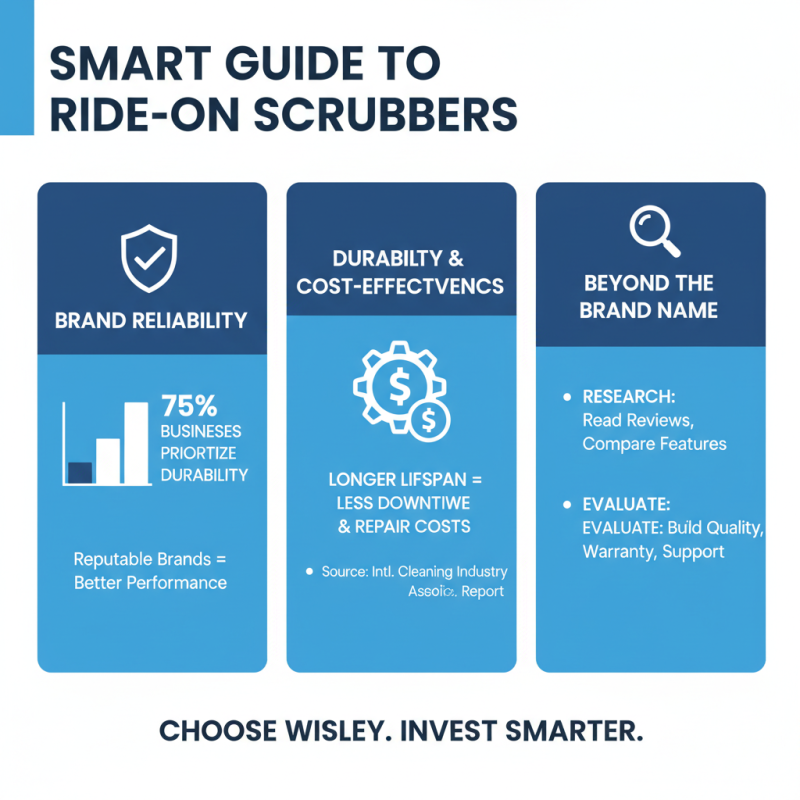
When researching ride-on scrubbers, brand reliability is crucial. According to a report by the International Cleaning Industry Association, 75% of businesses prioritize durable equipment for cost-effectiveness. Purchasing from reputable brands often ensures better performance. However, brand names alone don’t guarantee quality.
Product reviews can provide insight into real-world performance. They highlight strengths and weaknesses. For example, some users report issues with battery life and maintenance requirements. Others appreciate the maneuverability and efficiency of various models. These reviews are essential in identifying potential pitfalls.
Consider the user experience when evaluating options. Survey data indicates that 60% of operations seek machines that are easy to use. Complicated controls can lead to frustration and inefficiency. Therefore, reading through detailed reviews is important. It offers a glimpse into operational challenges and benefits. Make informed choices based on community feedback and expert suggestions. This path often leads to satisfaction and proper equipment investment.