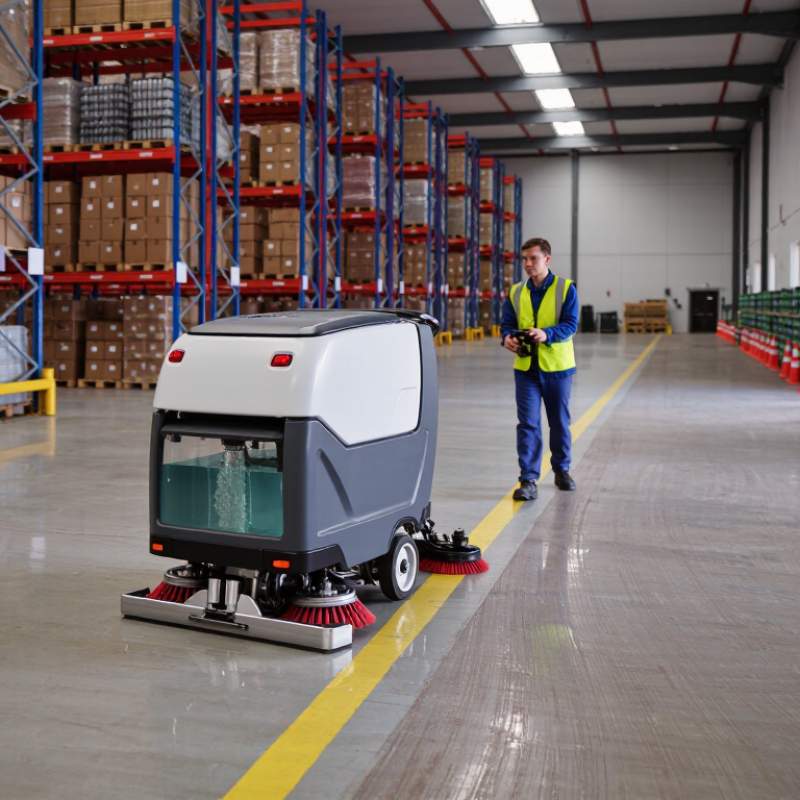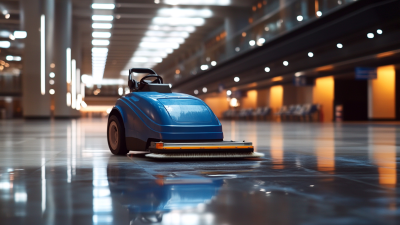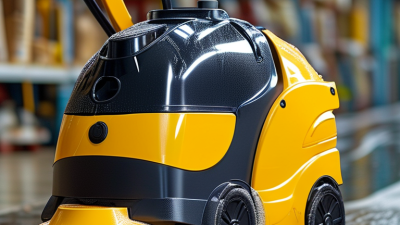
Choosing the right Concrete Floor Scrubber is crucial for maintaining industrial spaces. A well-maintained floor enhances safety and efficiency. According to a recent industry report by the Cleaning Equipment Trade Association (CETA), up to 30% of workplace accidents are related to poor floor conditions. This emphasizes the need for effective cleaning solutions.
Renowned industry expert, Dr. Jane Foster, states, "Investing in the right scrubber is not just about cleanliness; it’s about ensuring a safe work environment." Her insights reflect the importance of selecting the right equipment. Various factors, like floor type and size, significantly influence the decision-making process.
Finding the perfect Concrete Floor Scrubber can be challenging. Not all machines suit every scenario. Users often overlook specific features that could enhance performance. This highlights the need for careful evaluation and understanding of individual requirements. Relying solely on brand reputation may lead to dissatisfaction in the long run.
Choosing the right concrete floor scrubber can be challenging. Several factors must be considered to meet your specific needs. A key element is the type of surface you will clean. For instance, textured concrete may require a more robust scrubber to remove grime effectively.
Another critical factor is the size of the area you plan to clean. According to industry reports, commercial spaces can average around 10,000 square feet. Selecting a scrubber designed for larger areas will enhance efficiency and reduce cleaning time. Comfort and usability are also important. Ergonomically designed machines help reduce operator fatigue during long cleaning sessions.
Battery life and power are vital for uninterrupted cleaning. Many models offer different run times. A study found that machines with a run time of over two hours cater more effectively to large facilities. Consider maintenance needs, too. Regular upkeep can prolong the machine’s lifespan. Some users notice a drop in performance if they neglect cleaning and part replacement. It's essential to evaluate both features and ongoing maintenance demands for optimal performance.
Concrete floor scrubbers are essential for maintaining cleanliness in various environments. They come in several types, each suited for specific applications. Understanding these types can help you choose the best option for your needs.
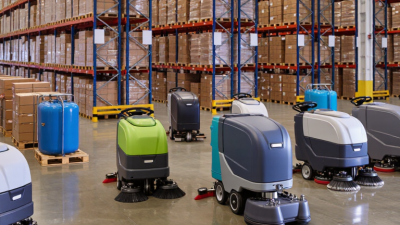
Manual scrubbers are budget-friendly and straightforward. They require physical effort but can clean small areas effectively. For larger spaces, automatic scrubbers are more efficient. These machines are designed to cover more ground quickly, making them ideal for warehouses or factories. Research from the National Floor Safety Institute indicates that automatic scrubbers can reduce cleaning time by up to 50%.
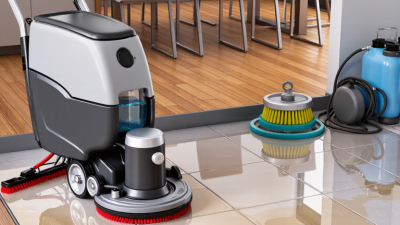
Additionally, there are specialized scrubbers constructed for particular surfaces. For instance, some machines can handle textured concrete, while others are suited for smooth finishes. Using the wrong type can lead to damage and increased maintenance costs. A survey conducted by the Cleaning Industry Research Institute found that 70% of cleaning professionals regretted not using the correct scrubber from the start. This emphasizes the importance of research and understanding the specific requirements of your flooring before making a choice.
Choosing the best concrete floor scrubber often starts with understanding the size and layout of your cleaning area. Consider the dimensions of the space you need to clean. Larger areas may require more powerful machines. Small scrubbing units might be perfect for tight spaces or cluttered environments. You may need different tools for various floor types and configurations.
Evaluate the layout as well. Is it an open area or filled with obstacles? A scrubber with maneuverability can save time and effort. Remember, narrow hallways and corners can challenge larger machines. You might find yourself repeatedly adjusting or repositioning them. Sometimes, a less powerful unit might do a better job in these tricky spots.
Take note of any unique features in the area. Are there low ceilings or uneven surfaces? These factors can dictate your scrubber's height and design. Visibility during operation is also important. Consider how well you can see your cleaning progress. Areas that are poorly lit could lead to missed spots and incomplete cleaning efforts. Assessing these layout elements will guide you to the right choice.
| Model | Cleaning Width | Tank Capacity | Run Time | Suitable for Area Size |
|---|---|---|---|---|
| Model A | 20 inches | 10 gallons | 120 minutes | Up to 25,000 sq ft |
| Model B | 28 inches | 15 gallons | 150 minutes | Up to 30,000 sq ft |
| Model C | 16 inches | 8 gallons | 100 minutes | Up to 15,000 sq ft |
| Model D | 24 inches | 12 gallons | 130 minutes | Up to 28,000 sq ft |
| Model E | 32 inches | 20 gallons | 180 minutes | Up to 40,000 sq ft |
Maintaining a concrete floor scrubber is essential. Regular maintenance ensures your equipment performs optimally and lasts longer. Neglect leads to decreased efficiency and costly repairs. Follow a structured maintenance routine to keep it in top condition.
Tips for maintenance include checking the brushes regularly. Worn brushes can harm the floor and reduce cleaning ability. Replacing them can improve results. Inspecting squeegees is equally crucial. A well-functioning squeegee prevents water streaks and ensures a clean finish.
Cleaning filters and tanks is vital too. Clogged components can hinder performance and cause malfunction. Empty the recovery tank after each use to prevent odors and bacteria growth. Often overlooked, this step is key for hygienic operation. Pay attention to the overall condition of cables and connectors. Damaged parts can lead to safety hazards. Regular checks will minimize risks.
Choosing a concrete floor scrubber involves understanding cost versus performance. Research shows that initial budget costs can vary greatly. For instance, some options may start as low as $1,000. However, they often lack advanced features, which may impact efficiency and longevity.
Performance often hinges on features such as scrubbing power, water usage, and ease of maintenance. According to industry reports, scrubbers with high-performance ratings often cost significantly more—up to $10,000. But, investing in a reliable machine can lead to savings over time. A durable scrubber reduces labor hours and enhances cleaning effectiveness.
A deeper consideration is repair and upkeep costs. Inexpensive models may incur higher maintenance bills. This might negate any savings from the initial purchase. Weighing these factors against your usage requirements and budget is crucial. It's easy to overlook these long-term implications when focused on the sticker price alone. Every choice has its trade-offs, demanding careful consideration.