How to Choose the Best Cleaner Equipment for Your Needs?
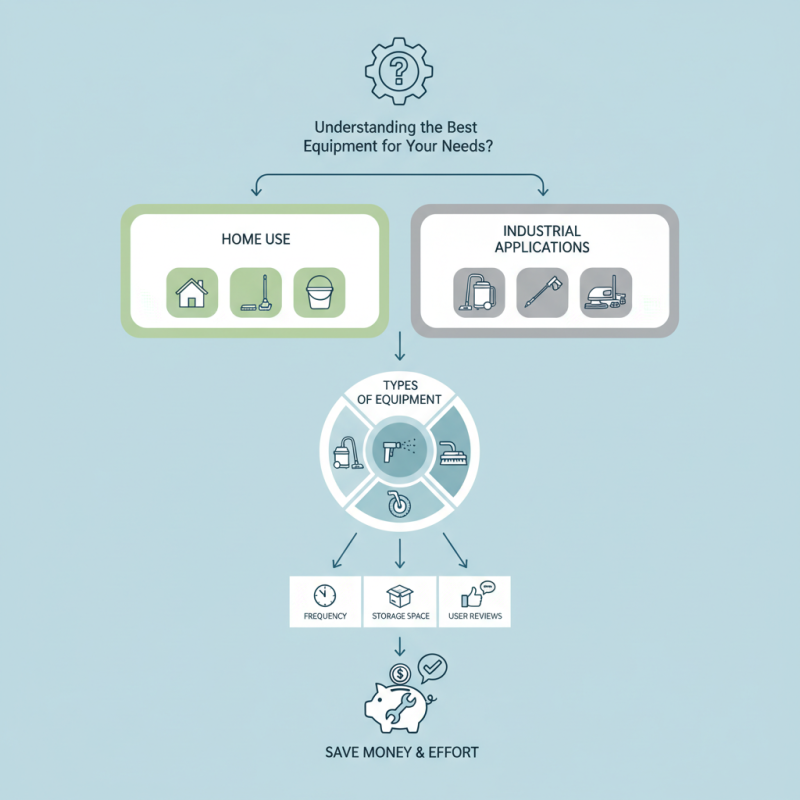
Selecting the right cleaner equipment can be a daunting task. With so many options available, it’s crucial to understand your specific needs. Whether for home use or industrial applications, each type of cleaner has unique features. Researching and comparing can help you make an informed decision.
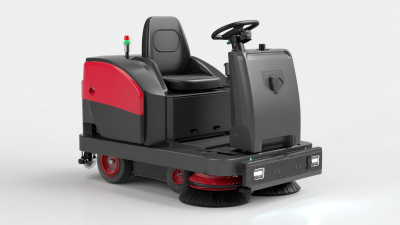
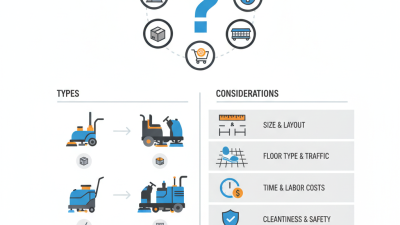
Consider the different types of cleaner equipment available. Commercial vacuum cleaners, pressure washers, and floor scrubbers offer various functionalities. Evaluate how often you will use each type. This can significantly influence your choice. Take note of storage space as well; bulky equipment might not suit everyone.
Finally, do not overlook user reviews and expert recommendations. They provide valuable insights into the reliability of cleaner equipment. Understanding common issues can help you avoid potential frustrations. Remember, taking the time to choose wisely can save you money and effort in the long run.
Identifying Your Cleaning Requirements and Goals
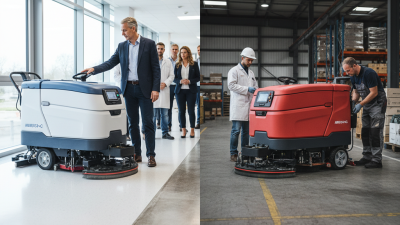
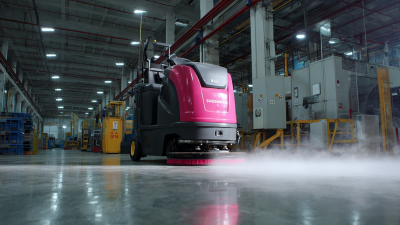
Identifying your cleaning requirements is crucial in selecting the right cleaning equipment. Consider the specific areas you need to clean. Are they large commercial spaces or small residential rooms? Each space demands different tools. For example, a vacuum might suffice for a small apartment, but a scrubber is essential for expansive floors in a warehouse.
Think about what types of surfaces you will address. Hard floors, carpets, and upholstery all require different approaches. Assessing the types of dirt you encounter can also guide your choice. Heavy grime calls for robust equipment. Light dusting might only need basic tools.
Setting clear goals is essential too. Do you prioritize efficiency or thoroughness? Speed might matter in busy environments. But, achieving a deep clean can significantly enhance space hygiene. Be honest about your cleaning habits and preferences. This reflection can help avoid equipment that does not meet your needs effectively.
Cleaning Equipment Effectiveness by Type
Evaluating Different Types of Cleaner Equipment Available
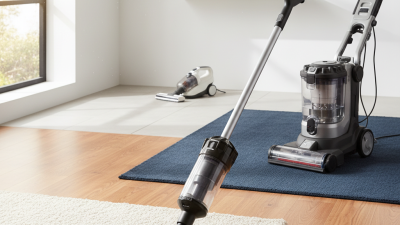
Choosing the right cleaning equipment requires understanding your specific needs. Various types of cleaner equipment cater to different situations. Some might excel in heavy-duty tasks, while others are designed for delicate surfaces. For instance, industrial vacuum cleaners are robust and can handle large debris, but might be overwhelming for home use. In contrast, lightweight handheld cleaners are versatile for quick touch-ups but may struggle with tougher messes.
Evaluating features is essential when selecting cleaning gear. Consider the design, weight, and ease of use of each type. A bulky machine might be effective but could also lead to fatigue during prolonged use. Additionally, specialized attachments can enhance functionality. However, too many options can make maintenance complex. Reflecting on the cleaning tasks you perform most often will guide you in your decision.
Compatibility with surfaces is another consideration. Some cleaners may be effective on carpets but ineffective on hardwood floors. There’s also a risk of damage if the wrong equipment is used. Don’t forget to think about storage space. Compact equipment is often easier to store but might sacrifice power. Balancing these factors can result in a cleaner that truly meets your needs.
Assessing Key Features and Specifications for Effectiveness
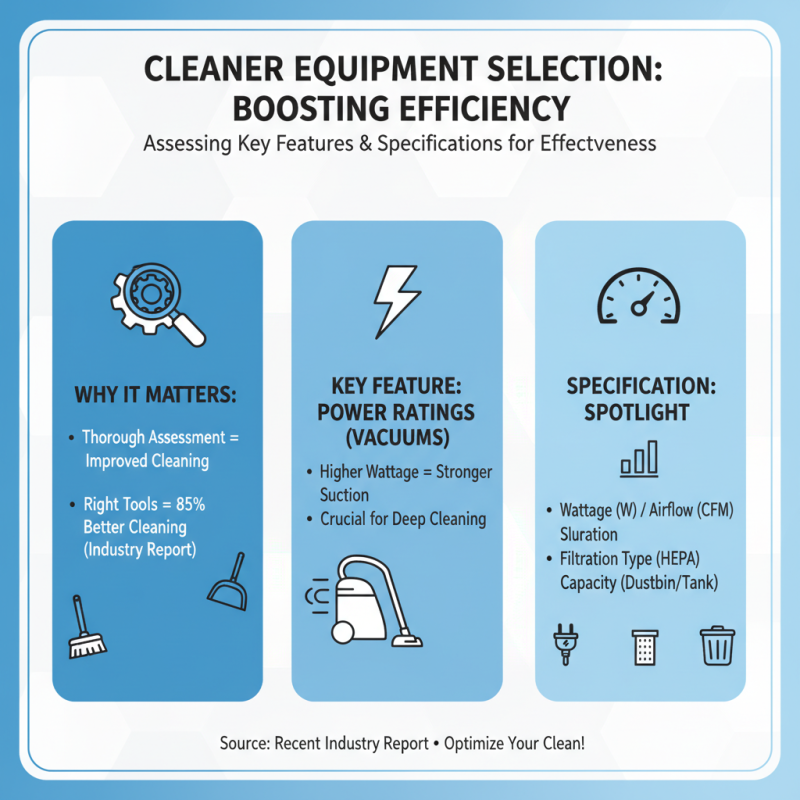
When selecting cleaner equipment, understanding key features and specifications is essential. A thorough assessment can significantly impact your cleaning efficiency. According to a recent industry report, around 85% of cleaning tasks improve with the right tools. Pay attention to power ratings, especially for vacuum cleaners. Models with a higher wattage typically offer stronger suction, which is crucial for thorough cleaning.
Consider the type of surface you'll clean. Certain equipment performs better on carpets, while others are ideal for hard floors. Look for multifunctional devices that can handle various surfaces. The weight and size also matter. Heavier machines may offer more power but can be cumbersome. Lightweight alternatives might sacrifice some performance but enhance maneuverability.
**Tip:** Always test equipment when possible. Some machines may not meet advertised specifications. Listen for unusual sounds and check for effective debris removal.
Durability is another factor. A solid build often indicates longevity. A report showed that up to 30% of equipment failures stem from poor materials. Look for warranties that reflect confidence in the product’s lifespan.
**Tip:** Read reviews and seek user feedback. Real-world experiences highlight potential drawbacks. Users often report inconsistencies in performance that official specs might not mention.
Considering Budget and Cost-Effectiveness of Cleaner Options
When selecting cleaner equipment, considering your budget is essential. It’s easy to get swayed by fancy features or high price tags. However, what really matters is whether the equipment meets your needs effectively. Assess your cleaning requirements first. Do you need heavy-duty machinery, or would a lightweight option suffice? Be honest about what you truly need.
Cost-effectiveness is another crucial factor. Sometimes, a more expensive machine may offer features that are not necessary for your tasks. Think about the long-term savings. A durable product might cost more initially but can save you money through less frequent replacements. Check for warranties and service agreements for added reliability.
It’s important to reflect on your choices. Research can be overwhelming, and you might feel uncertain. Take the time to read reviews and compare different options. Consult experts or user forums for firsthand experiences. Every piece of equipment will have its pros and cons; understanding them helps you make an informed decision. Aim for a balance between efficiency and affordability, but remember—your unique needs drive the best choice.
Reading Reviews and Comparing Brands for Reliability and Performance
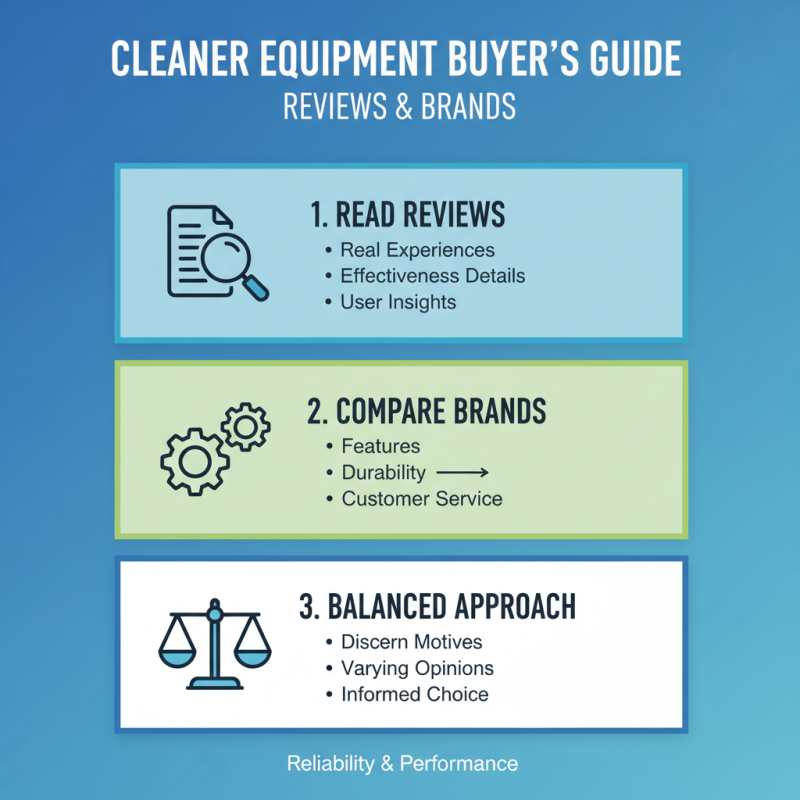
When looking for the best cleaner equipment, reading reviews is essential. Users often share real-life experiences, detailing the effectiveness of different products. These insights can guide you in selecting equipment that truly performs well. However, reviews can vary widely. Some may highlight features, while others focus on customer service or durability. It's crucial to discern the motives behind these reviews. A balanced approach is needed.
Comparing brands adds another layer of understanding. Each brand comes with its own reputation and performance track record. Some brands have established reliability over years, while newer companies might offer innovative solutions. Weighing the pros and cons can be challenging. Don’t just rely on star ratings; look deeper. Explore forums or community discussions for additional perspectives. This research process can feel overwhelming, but it’s worth the effort for making informed decisions.
Remember, even the best equipment may not be perfect. Small issues are common, and user experiences can differ. Regular maintenance can also affect performance. Engage with other users to learn from their stories. Their lessons can highlight potential pitfalls to avoid. Your choice of cleaner equipment should not only meet current needs but also adapt to future challenges.