Best Industrial Floor Scrubber for Effective Cleaning Solutions?
In the fast-paced industrial sector, maintaining clean floors is crucial for safety and efficiency. John McAllister, a renowned expert in industrial cleaning solutions, once stated, "The right industrial floor scrubber can transform your cleaning process." His insight underscores the importance of choosing the best tools for effective cleaning. An Industrial Floor Scrubber not only enhances cleanliness but also improves operational productivity.
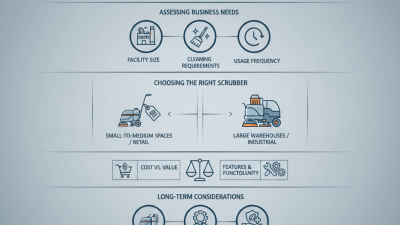
The market offers various models, each catering to specific needs. For instance, some machines are designed for larger areas while others excel in tight spaces. When assessing an Industrial Floor Scrubber, factors like battery life, ease of use, and maintenance support are essential. These machines can vary significantly in capabilities and price.
Choosing an effective industrial floor scrubber can be overwhelming. Numerous brands claim superiority, yet not all deliver reliable performance. It's essential to conduct thorough research and consider user reviews before making a decision. Making the right choice ensures a cleaner workspace, promoting both safety and productivity.
Best Industrial Floor Scrubber Types: A Comprehensive Overview
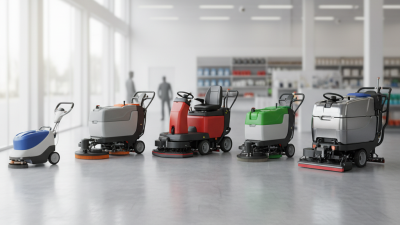
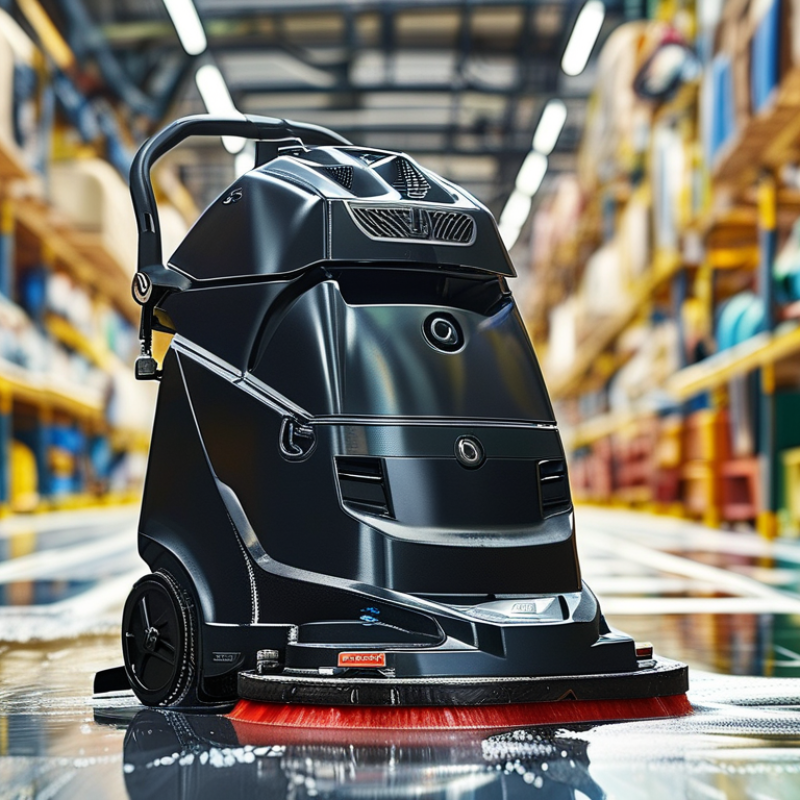
Choosing the right industrial floor scrubber can be critical for maintaining cleanliness in various workspaces. Understanding the different types available helps in making informed decisions. There are three main types:
walk-behind,
ride-on,
and automated scrubbers. Each has unique features tailored to specific cleaning needs.
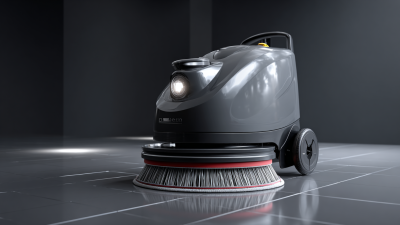
Walk-behind scrubbers are ideal for smaller areas. Users can easily maneuver around tight spaces. They are often more affordable but may require more physical effort.
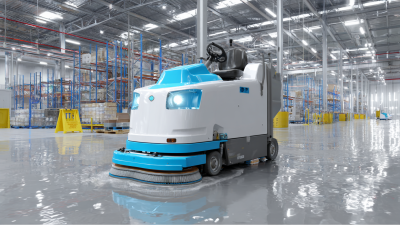
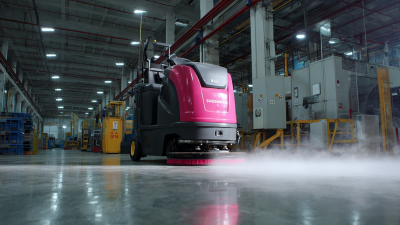
Ride-on scrubbers suit larger environments, allowing operators to cover vast areas efficiently. These machines save time but come with higher upfront costs.
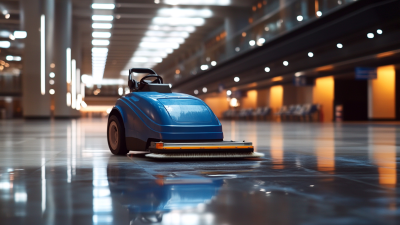
Automated scrubbers represent the latest in cleaning technology, providing hands-free operation. They can navigate complex layouts but may face challenges in areas with numerous obstacles.
When selecting a scrubber, consider the
floor type and potential cleaning challenges. Some surfaces may require specialized cleaning solutions. Reflections after usage can reveal areas needing more attention. Regular maintenance checks contribute to the longevity of the equipment. It’s essential to ensure the scrubber is appropriate for your specific setting and cleaning needs, addressing any shortcomings or learning curves that may arise during operation.
Key Features to Consider in Industrial Floor Scrubbers for Efficiency
When considering an industrial floor scrubber, efficiency is paramount. A crucial feature to examine is the cleaning capability. Reports indicate that machines with scrubbing rates of over 20,000 square feet per hour significantly enhance productivity in industrial settings. The choice between disc and cylindrical brushes also plays a role in tackling different types of grime. Disc brushes are excellent for flat surfaces, while cylindrical brushes can effectively manage uneven textures.
Another vital aspect is water and solution efficiency. Research shows that machines designed to use less water can lead to a reduction of up to 50% in cleaning time. Water recovery systems also improve sustainability by reclaiming used water for future cleaning cycles. Additionally, the ergonomics of the scrubber impact operator comfort and productivity. Machines that are easy to maneuver help minimize fatigue, which can, in turn, increase overall cleaning effectiveness.
Battery life is often overlooked but crucial for continuous operation. A battery life of at least four hours allows for uninterrupted cleaning, especially in large areas. Regular maintenance also affects long-term reliability. Some scrubbers require more frequent servicing, which can escalate operational costs. Balancing these features could help users choose a scrubber that meets their specific needs while optimizing cleaning operations.
Impact of Floor Material on Scrubber Selection: Best Practices and Data
Selecting the right industrial floor scrubber is crucial. The floor material significantly influences this choice. Different surfaces demand specific cleaning methods. For instance, polished concrete is less porous than unsealed wood. Using the wrong scrubber can lead to damage. Scrubbers designed for hard surfaces may cause scratches on softer floors.
It’s essential to consider the texture and condition of the floor. A rough surface can hold onto dirt and grime. In this case, a more vigorous scrubber is beneficial. For delicate materials, milder options may be required. Scrubbers equipped with adjustable settings offer versatility. This adaptability allows for effective cleaning without causing harm.
Maintenance is another often overlooked aspect. Proper care extends the scrubber’s lifespan. Regularly check brushes and pads for wear and tear. It’s not uncommon for operators to ignore this until performance declines. Training staff on proper usage can help mitigate issues. Cleaning should prioritize surface integrity and efficiency.
Best Industrial Floor Scrubber for Effective Cleaning Solutions
| Floor Material |
Recommended Scrubber Type |
Scrubber Features |
Cleaning Efficiency (%) |
Average Cost ($) |
| Concrete |
Walk-Behind Scrubber |
Heavy-duty, High water flow |
95 |
1200 |
| Vinyl |
Rider Scrubber |
Compact, Low pressure |
90 |
1500 |
| Tile |
Automatic Scrubber |
High-speed, Dual-brush |
92 |
1600 |
| Carpet |
Carpet Extractor |
Spray extraction, Low moisture |
85 |
1800 |
| Laminate |
Hybrid Scrubber |
Gentle cleaning, Efficient drying |
88 |
1400 |
Comparative Analysis of Leading Brands: Performance and Reliability Metrics
When selecting the best industrial floor scrubber, several factors must be weighed carefully. Performance and reliability are critical metrics that separate top products from less effective ones. For instance, the efficiency of cleaning can vary significantly. Some models may struggle with tougher stains, while others glide effortlessly over grime.
In our analysis, the durability of materials used in construction often plays a significant role. Robust machines typically withstand demanding environments better than their competitors. Not all machines can maintain consistent performance over time. This can be a source of frustration for users who expect reliability for their investment.
Maintenance and ease of use also matter. Simple designs often lead to fewer breakdowns. However, some machines require intricate setups, which can confuse operators. Understanding these nuances can guide buyers toward a solution that fits their needs. Testing different products in real-world scenarios can also uncover hidden challenges. This approach reveals how various floor scrubbers perform day-to-day.
Comparison of Industrial Floor Scrubbers: Performance Metrics
Future Trends in Industrial Floor Scrubbing Technology: Innovations Ahead
The future of industrial floor scrubbing technology is bright and full of innovations. Automation stands out as a transformative trend. Robotic scrubbers are becoming more common in factories and warehouses. They enable consistent, efficient cleaning with minimal human intervention. This evolution is reshaping how businesses manage their cleaning tasks.
Another key trend is the integration of smart technology. IoT-enabled machines can collect data on floor conditions. This allows for better maintenance planning and can significantly reduce downtime. However, the reliance on technology raises questions about job displacement and the need for retraining workers. Balancing innovation with workforce responsibilities is crucial.
Sustainability also plays a vital role in future developments. Eco-friendly cleaning agents are now in demand, alongside machines that conserve water and energy. While these advancements are promising, the challenge lies in how quickly businesses can adopt them. The path ahead may not be perfect, but it offers many opportunities to rethink cleaning processes in industrial settings.