Top 10 Walk Behind Scrubbers for Effective Floor Cleaning Solutions
In the ever-evolving landscape of floor cleaning technology, Walk Behind Scrubbers have emerged as essential tools for maintaining cleanliness and hygiene in various settings. According to John Reynolds, a renowned expert in industrial cleaning solutions, "The efficiency of a Walk Behind Scrubber can transform the way facilities approach floor maintenance, saving time and resources while ensuring a spotless environment." This statement emphasizes the growing importance of these machines in enhancing operational efficiency.
As businesses increasingly recognize the need for effective floor cleaning solutions, the market for Walk Behind Scrubbers continues to thrive. With their user-friendly design and powerful scrubbing capabilities, these machines are ideal for a wide range of applications, from retail spaces to industrial facilities. In this article, we will explore the top 10 Walk Behind Scrubbers available today, highlighting their features, benefits, and the innovative technology that sets them apart in the industry. By choosing the right Walk Behind Scrubber, organizations can achieve superior cleaning results and create safer, more inviting spaces for employees and customers alike.

Overview of Walk Behind Scrubbers and Their Importance in Cleaning
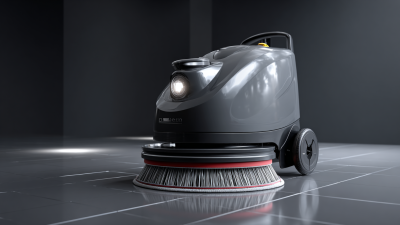
Walk behind scrubbers are essential tools in maintaining cleanliness and hygiene in various environments, from commercial spaces to industrial facilities. These machines allow operators to efficiently scrub and clean large floor areas with minimal effort, significantly reducing the time and labor involved in traditional cleaning methods. The ergonomic design of walk behind scrubbers enables ease of movement, giving the user enhanced control and reducing fatigue during extended cleaning sessions.
The importance of walk behind scrubbers lies in their ability to deliver a thorough cleaning solution while ensuring safety and efficiency. They are equipped with advanced features that not only facilitate deep cleaning but also improve overall sanitation by effectively removing dirt, grime, and harmful bacteria from surfaces. By utilizing these machines, businesses can maintain cleaner environments, which can lead to improved employee morale, enhanced customer experiences, and compliance with health and safety regulations. The adoption of walk behind scrubbers reflects a proactive approach to floor maintenance, making them an invaluable asset in today's cleaning industry.
Key Features to Consider When Selecting a Walk Behind Scrubber
When selecting a walk behind scrubber, there are several key features to consider that can significantly impact cleaning efficiency and user experience. First and foremost, the size and type of the scrubber should match the cleaning area. A compact design is ideal for smaller spaces, allowing for easy maneuverability, while larger models may be necessary for expansive commercial areas. Additionally, look for scrubbers with adjustable cleaning settings to accommodate different floor types and levels of dirt, ensuring optimal performance for a variety of cleaning tasks.
Another crucial feature is the scrubber's water and detergent system. Efficient water usage and detergent dispensing not only enhance cleaning effectiveness but also minimize waste and costs. It's also important to consider the machine's ease of operation, including intuitive controls and ergonomic design that contribute to user comfort during prolonged use. Lastly, check for features such as durability and ease of maintenance, as this will influence the scrubber's longevity and the total cost of ownership. Selecting a model that balances these features will lead to a more effective and reliable floor cleaning solution.
Top 10 Walk Behind Scrubbers for Effective Floor Cleaning Solutions
| Model |
Cleaning Width (inches) |
Tank Capacity (gallons) |
Power Source |
Weight (lbs) |
Runtime (minutes) |
| Model A |
20 |
10 |
Battery |
150 |
120 |
| Model B |
22 |
12 |
Electric |
175 |
150 |
| Model C |
24 |
15 |
Gas |
160 |
180 |
| Model D |
18 |
8 |
Battery |
140 |
90 |
| Model E |
30 |
20 |
Electric |
200 |
200 |
| Model F |
26 |
18 |
Battery |
190 |
160 |
| Model G |
28 |
16 |
Gas |
220 |
240 |
| Model H |
21 |
14 |
Electric |
170 |
120 |
| Model I |
19 |
9 |
Battery |
130 |
90 |
| Model J |
23 |
13 |
Gas |
210 |
220 |
Comparison of the Top 10 Walk Behind Scrubbers and Their Specifications
When it comes to maintaining clean floors in commercial and industrial settings, walk-behind scrubbers stand out as effective tools for ensuring hygiene and appearance. The market offers a variety of models, each designed with specific features and specifications to cater to different cleaning needs. This comparison aims to highlight key attributes such as scrubbing width, tank capacity, and battery life, which are critical for choosing the right scrubber for your operation.
One crucial specification is the scrubbing width, which determines how efficiently a floor can be cleaned in a single pass. Walk-behind scrubbers come with varying widths, enabling operators to select a model that best suits their workspace. Additionally, tank capacity plays a significant role in operational efficiency; larger tanks reduce the frequency of refills, allowing for longer cleaning periods. Battery life is another vital aspect, particularly for those working in larger areas, as it ensures the scrubber can operate throughout the cleaning cycle without interruption.
In addition to these specifications, factors such as noise level, ease of maneuverability, and maintenance requirements also influence the selection process. By comparing these aspects, users can make informed decisions that enhance their cleaning efficiency while meeting the unique demands of their environment. Ultimately, understanding the specifications of walk-behind scrubbers is essential in finding the perfect fit for effective floor cleaning solutions.
Comparison of Top 10 Walk Behind Scrubbers
Benefits of Using Walk Behind Scrubbers for Floor Maintenance
Walk behind scrubbers have become an essential tool in maintaining clean and hygienic floors across various settings, from commercial spaces to industrial facilities. One of the primary benefits of these machines is their ability to deliver deep cleaning results more efficiently than traditional mopping methods. With powerful scrub brushes and advanced cleaning solutions, walk behind scrubbers can break down tough dirt, stains, and bacteria that might otherwise linger on floors, ensuring a healthier environment for both employees and customers.
In addition to improved cleaning performance, walk behind scrubbers also enhance productivity. Their design allows users to maneuver easily in tight spaces while covering larger areas in less time compared to manual cleaning. This efficiency translates to significant time savings, enabling staff to focus on other essential tasks throughout the day. Moreover, many models are ergonomically designed, reducing the physical strain on staff and providing enhanced comfort during use. Overall, incorporating walk behind scrubbers into floor maintenance routines provides a combination of effectiveness and efficiency that is hard to overlook.
Tips for Proper Use and Maintenance of Walk Behind Scrubbers
Walk-behind scrubbers are essential tools for maintaining cleanliness in various commercial and industrial environments. Utilizing these machines effectively not only maximizes cleaning productivity but also extends the lifespan of the equipment. According to industry reports, proper maintenance of walk-behind scrubbers can lead to a 20% increase in efficiency. Implementing a routine schedule for cleaning, inspecting, and replacing worn-out parts can substantially reduce downtime and repair costs.
When using a walk-behind scrubber, it’s essential to keep some tips in mind. First, always ensure that the brushes are appropriately matched to the type of flooring being cleaned, as different surfaces require different brush materials for optimal results. Additionally, regularly check the solution tank levels and use the right cleaning solutions to avoid residue build-up. Last but not least, follow the manufacturer’s guidelines for daily maintenance tasks, such as emptying the recovery tank and rinsing the squeegee, which not only improve cleaning effectiveness but also prevent odors and bacteria growth.
Finally, understanding the recommended working speed for your specific machine can significantly enhance performance. A comprehensive study from the Cleaning Equipment Trade Association highlights that operating at the appropriate speed can reduce cleaning time by up to 15%. By employing these best practices, facilities can ensure their walk-behind scrubbers operate at peak efficiency, leading to clean and safe environments.